Top Live Bait Tips for Saltwater Fishing
- BlueMarlin Bait
- 12 hours ago
- 4 min read

Fishing enthusiasts know that using live bait can significantly increase your chances of catching fish, especially in saltwater environments. Whether you're a seasoned angler or just starting out, understanding how to effectively use live bait can enhance your fishing experience. In this post, we will explore essential tips and techniques for using live bait in saltwater fishing, ensuring you are well-equipped for your next fishing adventure.
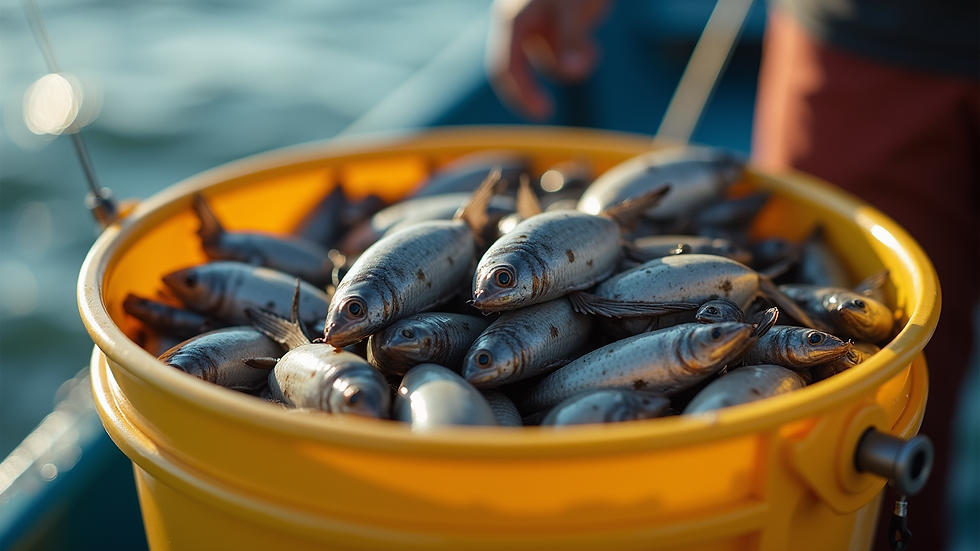
Understanding Live Bait
Live bait refers to any living organism used to attract fish. Common types of live bait for saltwater fishing include:
Shrimp: A favorite among many anglers due to its natural scent and movement.
Baitfish: Small fish like menhaden or mullet that mimic the natural prey of larger fish.
Crabs: Effective for targeting species like redfish and flounder.
Worms: Particularly useful in surf fishing.
Using live bait can be more effective than artificial lures because it mimics the natural food sources of fish. This can lead to more bites and ultimately, more catches.
Choosing the Right Live Bait
Selecting the right live bait is crucial for successful fishing. Here are some factors to consider:
Local Species
Research the types of fish commonly found in your fishing area. Different species have different preferences for bait. For example, if you're targeting tarpon, consider using live mullet or crabs, while snook may prefer live shrimp.
Seasonal Availability
The availability of certain live bait can vary by season. During warmer months, shrimp and baitfish are often more abundant. In colder months, you might find that crabs are more effective. Always check local reports or consult with local bait shops to find out what’s currently available.
Size Matters
The size of your bait should match the size of the fish you are targeting. Larger fish typically prefer larger bait. For instance, if you are fishing for larger species like grouper, opt for larger live baitfish. Conversely, smaller fish like snapper may be more attracted to smaller shrimp or baitfish.
Preparing Live Bait
Once you have selected your live bait, proper preparation is key to ensuring it remains lively and effective. Here are some tips:
Keep It Fresh
Use a Bait Bucket: Invest in a good bait bucket with aeration to keep your live bait oxygenated and healthy.
Temperature Control: Keep your bait cool, as high temperatures can stress them and reduce their effectiveness.
Change Water Regularly: If you’re using a bait bucket, change the water frequently to keep it clean and oxygen-rich.
Hooking Techniques
Properly hooking your live bait is essential for keeping it alive and attractive to fish. Here are some techniques:
Shrimp: Hook through the tail or the horn to keep it swimming naturally.
Baitfish: Hook through the back or the lips to allow it to swim freely.
Crabs: Hook through the back leg or the shell to minimize damage.
Fishing Techniques with Live Bait
Using live bait effectively requires understanding various fishing techniques. Here are some popular methods:
Bottom Fishing
Bottom fishing is a common technique for targeting species like snapper and grouper. Here’s how to do it:
Choose the Right Rig: Use a bottom rig with a weight to keep your bait near the ocean floor.
Drop Your Line: Allow your bait to settle on the bottom and wait for a bite.
Feel for Bites: Pay attention to your line for any movement, indicating a fish is nibbling.
Drift Fishing
Drift fishing allows your bait to move naturally with the current, making it more appealing to fish. Here’s how to do it:
Select a Good Spot: Identify areas where fish are likely to be, such as near reefs or drop-offs.
Use a Light Weight: A lighter weight will allow your bait to drift naturally.
Monitor Your Line: Keep an eye on your line for any signs of bites as you drift.
Casting Techniques
Casting is another effective way to use live bait, especially when targeting fish near the surface. Here’s how to do it:
Choose the Right Location: Look for areas with visible fish activity, such as jumping fish or birds diving.
Cast with Precision: Aim for the area where you see fish activity, allowing your bait to land softly.
Reel in Slowly: Retrieve your line slowly to mimic the natural movement of the bait.
Timing Your Fishing Trip
Timing can greatly influence your success when fishing with live bait. Here are some tips to consider:
Best Times to Fish
Early Morning and Late Afternoon: Fish are often more active during these times, making them more likely to bite.
Tides: Pay attention to tidal movements. Many anglers find that fishing during incoming or outgoing tides can lead to better results.
Weather Conditions
Weather can also impact fish behavior. Overcast days can be excellent for fishing, as fish may be more likely to venture out. Conversely, bright sunny days may require you to fish deeper or seek shaded areas.
Handling Your Catch
Once you’ve successfully caught a fish, proper handling is essential to ensure its survival if you plan to release it. Here are some tips:
Use Wet Hands
Always wet your hands before handling fish to protect their slime coating, which is vital for their health.
Minimize Air Exposure
Keep the fish out of water for as little time as possible. If you plan to release it, consider using a net to minimize stress.
Release Techniques
If you’re releasing the fish, do so gently. Hold it upright in the water until it swims away on its own. If it seems sluggish, gently move it back and forth in the water to help it recover.
Conclusion
Using live bait for saltwater fishing can significantly enhance your chances of a successful catch. By understanding the types of live bait available, preparing it properly, and employing effective fishing techniques, you can improve your fishing experience. Remember to consider local species, seasonal availability, and the right timing for your fishing trips. With these tips in mind, you’re ready to head out and enjoy a fruitful day on the water. Happy fishing!


Comments