Expert Insights on Fresh vs Frozen Bait
- BlueMarlin Bait
- 12 hours ago
- 4 min read

Fishing enthusiasts often find themselves at a crossroads when deciding between fresh and frozen bait. Both options have their merits and drawbacks, and understanding these can significantly impact your fishing success. In this post, we will explore the differences between fresh and frozen bait, the advantages and disadvantages of each, and expert tips on how to choose the best bait for your fishing needs.

Understanding Bait Types
Before diving into the fresh versus frozen debate, it’s essential to understand what bait is and its role in fishing. Bait is any substance used to attract fish, and it can be categorized into two main types: natural and artificial. Natural bait includes live or dead organisms, while artificial bait is man-made and designed to mimic the appearance and movement of natural prey.
Fresh Bait
Fresh bait refers to live or recently caught organisms that are used to attract fish. Common types of fresh bait include:
Worms: Nightcrawlers and red wigglers are popular choices for freshwater fishing.
Minnows: Small fish that are often used for larger game fish.
Crabs and Shrimp: Effective for saltwater fishing, especially for species like redfish and flounder.
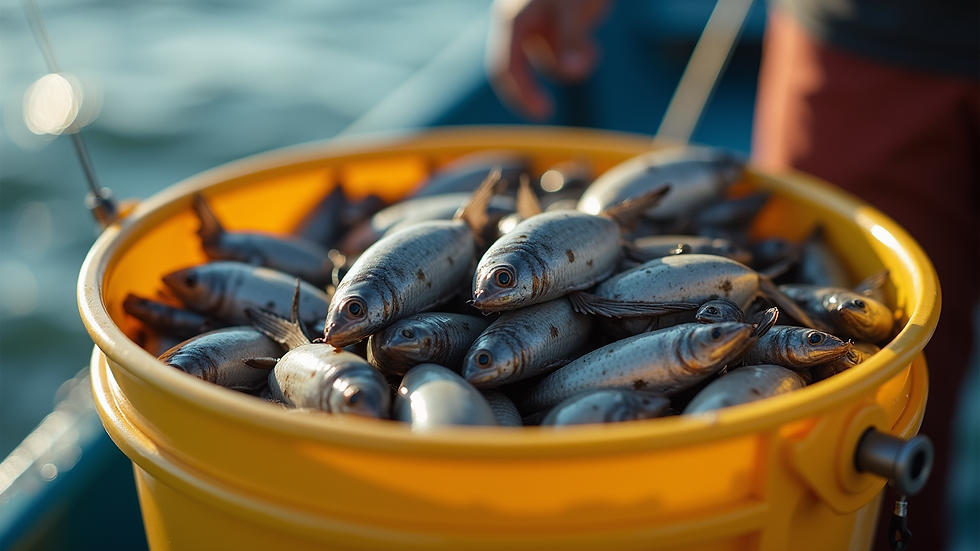
Cut Bait: Pieces of fish, such as herring or mackerel, used to attract larger predatory fish.
Advantages of Fresh Bait
Natural Appeal: Fresh bait is often more appealing to fish due to its natural scent and movement.
Versatility: It can be used in various fishing environments, from freshwater lakes to saltwater oceans.
Higher Catch Rates: Many anglers report higher success rates when using fresh bait compared to frozen options.
Disadvantages of Fresh Bait
Short Shelf Life: Fresh bait can spoil quickly, requiring careful handling and storage.
Availability: Depending on the season and location, fresh bait may not always be accessible.
Cost: Fresh bait can be more expensive than frozen alternatives, especially if purchased from a bait shop.
Frozen Bait
Frozen bait consists of organisms that have been caught and preserved through freezing. This category includes:
Frozen Shrimp: A popular choice for both freshwater and saltwater fishing.
Frozen Fish: Species like mackerel and sardines are often frozen for later use.
Squid: Commonly used in deep-sea fishing, squid can be found frozen in many tackle shops.
Advantages of Frozen Bait
Long Shelf Life: Frozen bait can be stored for extended periods without spoiling, making it convenient for anglers.
Cost-Effective: Generally, frozen bait is less expensive than fresh bait, especially when purchased in bulk.
Consistent Quality: Frozen bait maintains its quality and can be used at any time, regardless of the season.
Disadvantages of Frozen Bait
Less Natural Appeal: Some fish may be less attracted to frozen bait due to its lack of movement and scent compared to fresh bait.
Thawing Time: Frozen bait requires time to thaw before use, which can be inconvenient during a fishing trip.
Limited Variety: Depending on the supplier, the selection of frozen bait may be limited compared to fresh options.
Choosing the Right Bait for Your Fishing Trip
When deciding between fresh and frozen bait, consider the following factors:
Target Species
Different fish species have varying preferences for bait. Research the species you are targeting to determine which type of bait is most effective. For example, if you are fishing for bass, fresh worms or minnows may yield better results. In contrast, if you are targeting larger saltwater species, frozen squid or mackerel might be more suitable.
Fishing Environment
The environment in which you are fishing can also influence your bait choice. Fresh bait may be more effective in calm, shallow waters where fish can easily detect its movement. Conversely, in deeper waters or during rough conditions, frozen bait may hold up better and remain intact.
Time and Convenience
Consider how much time you have for preparation before your fishing trip. If you are short on time, frozen bait can be a convenient option that requires minimal preparation. Fresh bait, on the other hand, may require more effort to obtain and keep alive.
Expert Tips for Using Fresh and Frozen Bait
Fresh Bait Tips
Keep it Cool: Store fresh bait in a cooler with ice packs to maintain its freshness during your trip.
Use a Bait Bucket: If you are using live bait, invest in a bait bucket with aeration to keep your bait alive longer.
Change Bait Regularly: If you notice that your bait is losing its appeal, change it out frequently to maintain effectiveness.
Frozen Bait Tips
Thaw Properly: Always thaw frozen bait in the refrigerator or in cold water to preserve its quality. Avoid using hot water, as it can cook the bait.
Use a Bait Bag: When fishing, place thawed bait in a bait bag to keep it organized and prevent it from falling off the hook.
Experiment with Rigging: Different rigging techniques can enhance the effectiveness of frozen bait. Experiment with various methods to find what works best for your target species.
Conclusion
Choosing between fresh and frozen bait ultimately depends on your fishing goals, preferences, and the conditions you are facing. Both options have their unique advantages and disadvantages, and understanding these can help you make an informed decision. Whether you opt for the natural appeal of fresh bait or the convenience of frozen bait, the key is to adapt your approach based on the specific circumstances of your fishing trip.
Remember to keep experimenting and learning from your experiences to improve your fishing success. Happy fishing!

Comments